Indoor Air Quality 101 for Nassau & Suffolk Homeowners
PM2.5, VOCs, spore counts, humidity — what matters, what doesn't, and what to measure first.
The four things that actually matter
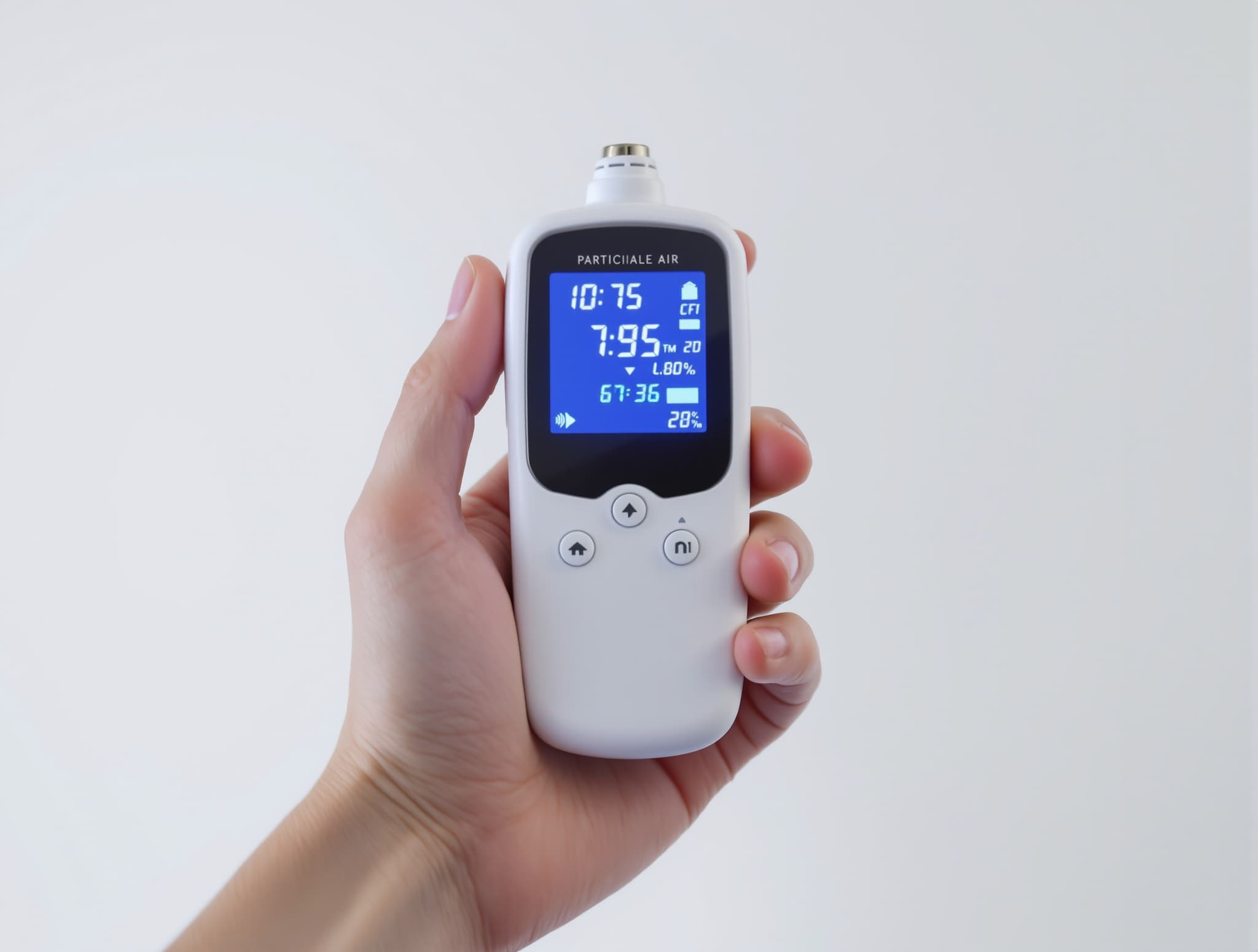
PM2.5 (fine particulate): the #1 health-impact indicator. EPA 24-hour guideline is 12 µg/m³. Long Island homes average 18–30 indoor; post-cleaning usually drops to 8–12.
VOCs (volatile organic compounds): mostly from cleaning products, new furniture, and off-gassing building materials. Episodic spikes are normal; sustained high readings indicate a source.
Humidity: keep indoor RH between 30–50% year-round. Below 30% dries out mucous membranes; above 50% invites mold. Long Island summers push humidity high; winters push it low.
Airborne spore count: matters if you have mold concerns. Indoor should be below outdoor control — if it's higher indoors, you have an active indoor source.
What's a marketing pitch, not a real signal
Ozone generators (banned in California for a reason). UV light installations in ductwork (extremely limited efficacy against dust particulate; only meaningful against biologicals). Most "air purifier" consumer units (underpowered for the cubic footage they claim to handle). Expensive HEPA standalone units when a proper system-wide MERV 13 filter upgrade would do the same job for a fraction of the cost.
What to do first
Start with filter discipline: MERV 11 minimum, MERV 13 if your system can handle the static pressure (most modern systems can). Change every 90 days. Next: get the ducts cleaned if it's been 4+ years. Next: if you still have symptoms, get an IAQ test to isolate the actual issue before spending more money on equipment.
Ready for a free scope?
Every booking includes camera-scope video. Call us to schedule.
or fill out the form, it takes 20 seconds
Schedule a walk-through
Five fields. We take it from there.